Education with a Higher Purpose
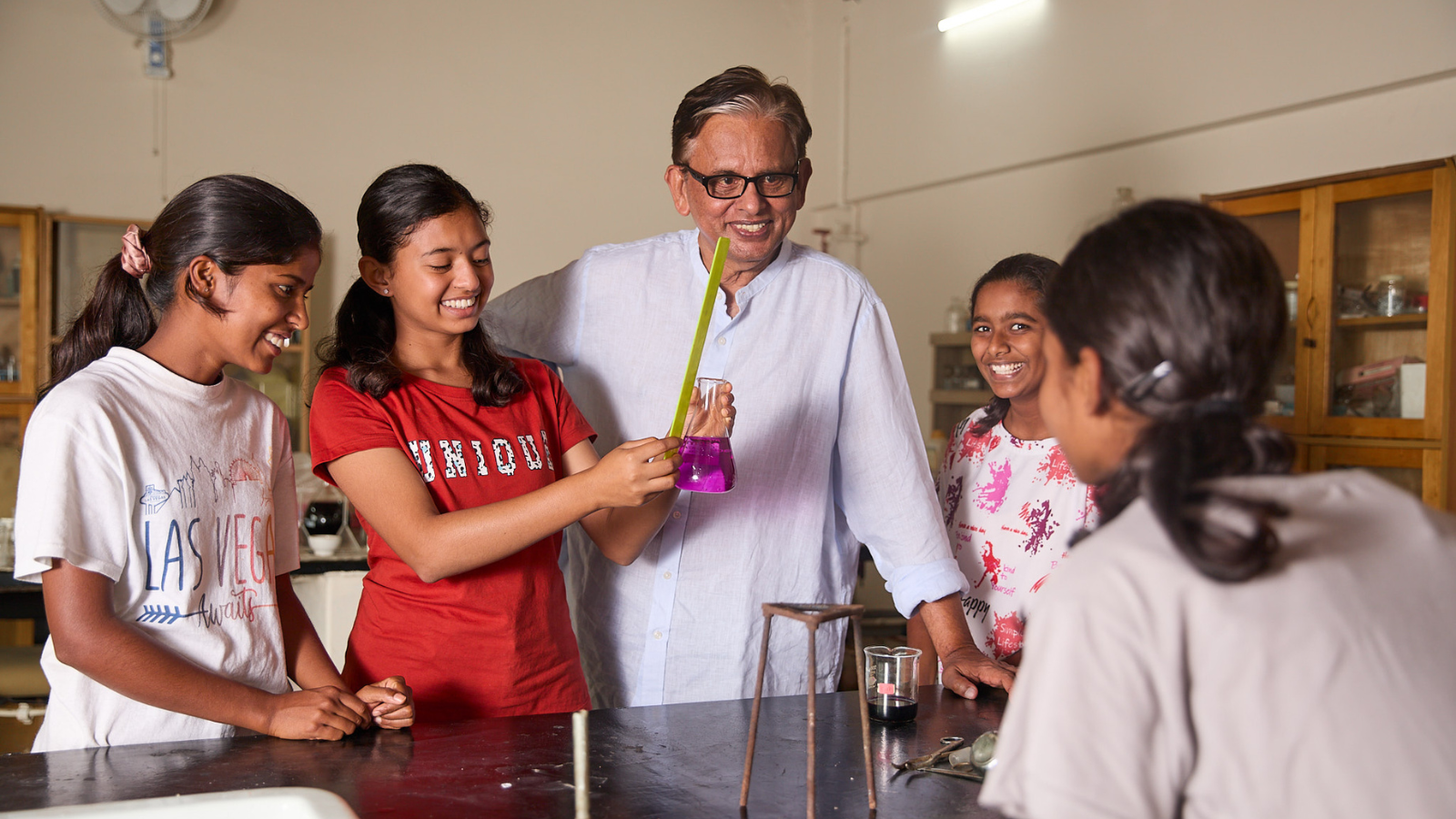
The Oxford English Dictionary defines education as a process that extends beyond teaching and learning to encompass the development of knowledge and skills. It is much more than mastering textbooks or meeting the requirements of accreditation agencies. Intellectual growth, personal development, and character formation are also outcomes sought by a good education. These qualities advance opportunities for successful careers, social acceptance, and meaningful relationships. Does the education imparted by schools today meet these objectives?
The former U.S. President John F. Kennedy once said of a nation’s prosperity, “A rising tide lifts all boats.” But this is true only if none of the boats are stuck in mud. It offers an analogy to economic growth that doesn’t automatically translate into shared well-being among all groups. The socially and economically disadvantaged segments of society remain trapped because of the substandard education they have had, which denies them access to career opportunities for a better life.
Most societies are built on a hierarchy of privileges derived from the previous generation’s income levels and accumulated assets. Wealthy parents pass on these privileges to their children, ensuring an entrenched class structure. High academic achievement among children from affluent families is primarily due to the excellent education they receive. Children from low-income households, on the other hand, lack the financial means to attend good schools.
Poverty is far more than a severe shortage of money or the prevalence of hunger. It is a condition characterized by a low quality of life and an undesirable way of living. Cramped spaces and leaking roofs create an uncomfortable environment for children’s learning at home. Lack of adequate access to healthcare and insufficient mental stimulation in the early years hinder their subsequent progress and leave them unprepared for school. Even worse, these children grow up in communities where violence, theft, alcoholism, and physical and sexual abuse are usually prevalent. With these pervasive conditions, proper education is a challenging goal for them.
In India, particularly in rural areas, most schools provide only a rudimentary education. The language and math skills students have acquired are inadequate for advancing to higher studies. Most parents in these circumstances consider quality education a privilege, not an entitlement for their children. They may not recognize the difference between the education their children receive in local schools and that offered by reputable ones.
Many urban private schools emphasize both academic performance and extracurricular activities such as sports, games, debates, and public speaking. Elite schools go further by exposing students to broader experiences that strengthen their leadership qualities. These special schools equip their students with the necessary background to pursue excellent colleges and subsequently desirable careers. The glaring gap between rural and urban educational systems is clearly evident.
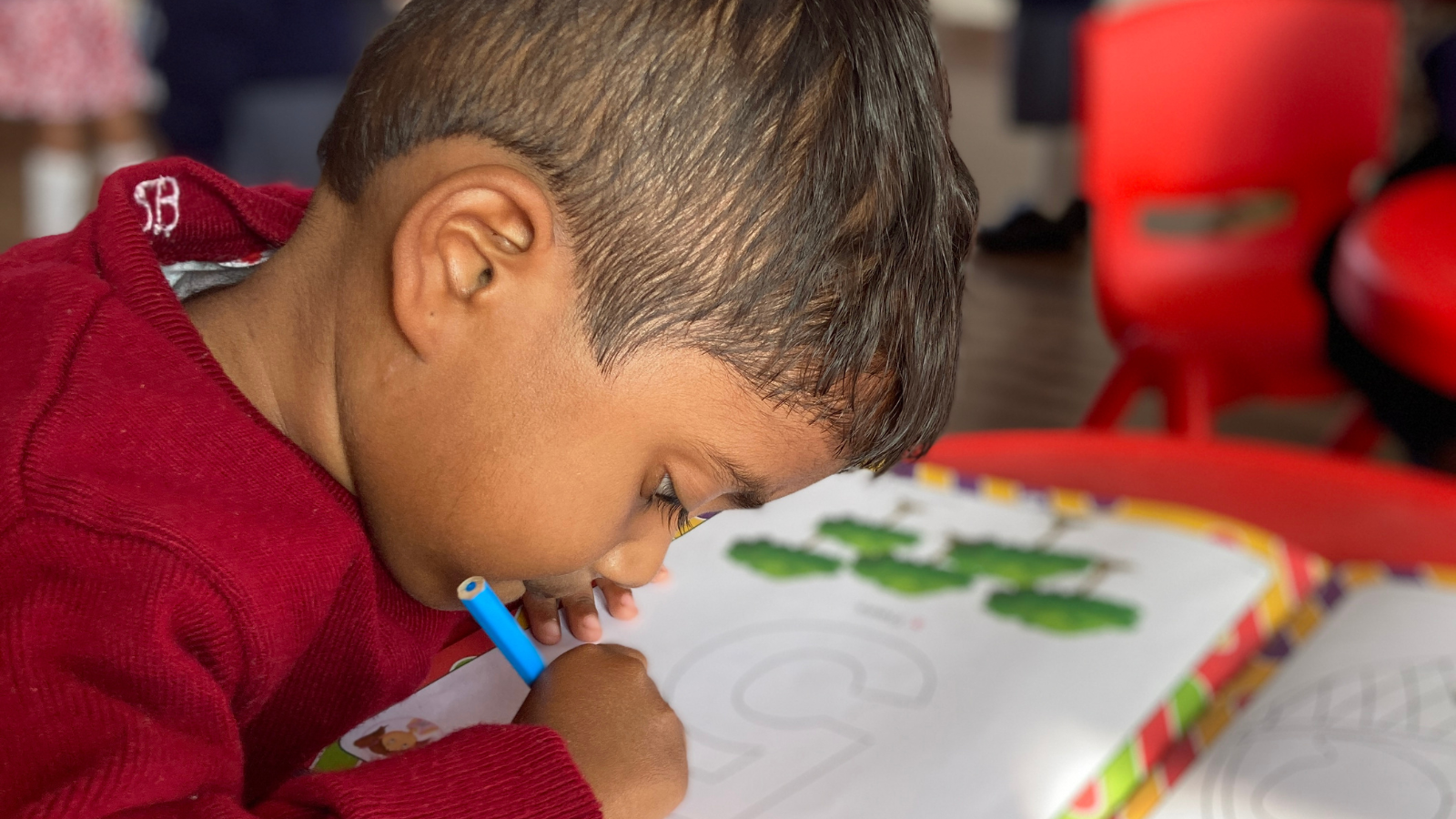
But even at superior schools, the personal attention needed to help every child develop holistically is missing. These schools focus on students' overall performance and rankings, which are more important to them than giving special attention to lagging students. Students are not usually offered individual help to improve their personality or communication. For example, children who are shy, lack confidence, or struggle to take initiative may not receive consistent guidance to overcome their limitations.
When I founded Shanti Bhavan thirty years ago, a residential school for children from families living below the poverty line in India, I understood that education alone would not be enough. Children growing up in poverty face multiple disadvantages as a result of their family’s circumstances. They do not have role models within their families to follow by example and aspire to professional careers. Furthermore, deference to village leaders and daily discrimination encountered erode their self-worth and value system.
At the first meeting of the board of trustees of our foundation, I was told that my plan to run a school providing an excellent education for children from these backgrounds would not work because they “do not have the innate ability to succeed.” In response, I explained my conviction that it is the absence of adequate opportunity that holds them back, and that “nurture is more important than nature” in determining the outcome in the longer run. With proper upbringing and an excellent education, these children can grow into well-rounded adults who can fit into any society.
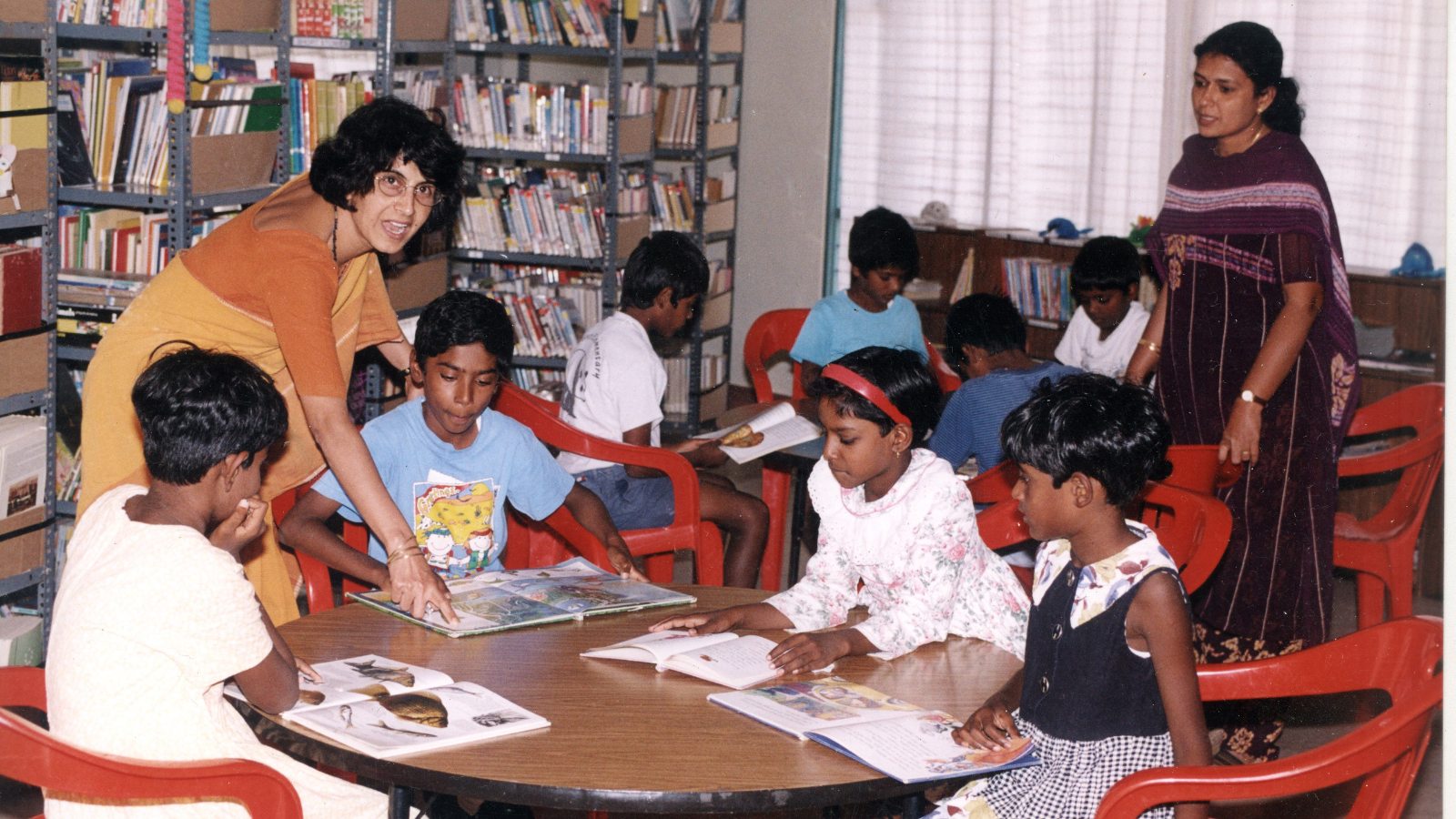
That conviction has shaped every aspect of Shanti Bhavan. It emphasizes intellectual accomplishments and leadership qualities, as well as fostering humane values. We treat every child with affection and respect to make sure they grow up with self-worth and confidence. They are taught to uphold universal values such as honesty, personal integrity, inclusiveness, equality, and openness. From the start, we have strived to create a community where children and staff care for and respect each other. For my part, I have at times shared my own vulnerabilities so that children see that adults, too, are imperfect—a simple act that humanizes relationships, builds trust, and teaches that failure is a part of life one can learn from.
The results affirm the validity of this approach for raising and educating children. We have demonstrated that education and social skills are a great leveler for all. Our staff and I are immensely proud to see our high schoolers graduate with flying colors and move on to excellent colleges every year. I was overcome with tears of joy when the four children—the very first to apply—came running to tell me they had been admitted to Dartmouth, Duke, Middlebury, and Stanford. My expectations of them, which I had spoken about twenty-five years ago at the foundation's first board meeting, had become a reality.
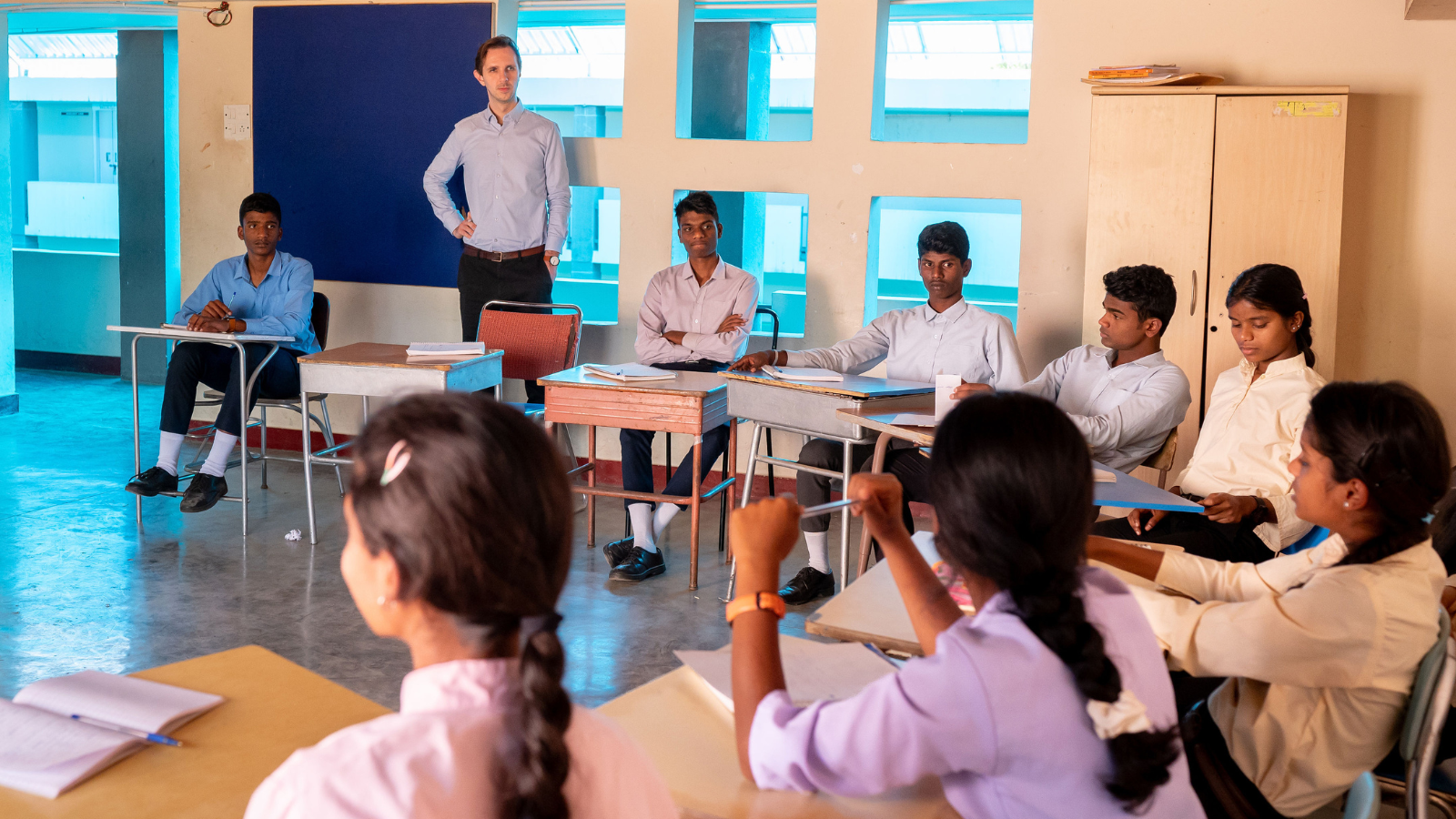
The success of our high schoolers does not end with college admissions. They earn positions at major multinationals after completing undergraduate degrees, not only because of their academic achievements but also because of what they possess—their communication skills, leadership, personality, and values such as kindness and humility. The holistic education they have received in school gives them a lasting competitive edge despite their family background. The power of education in total human development and progress cannot be overstated.
Unfortunately, most schools are not equipped to cultivate good personality and humane values in children. The curriculum might include occasional classes on morality and ethics, but the institution's culture fails to reinforce them. On the other hand, if students are required to participate in activities such as community service in impoverished villages or help in older people's homes, they establish an emotional connection with those they serve, forming a lasting impression. When schools ignore character formation, many children never receive the consistent guidance they need. As a result, even high academic achievers struggle to develop the qualities that foster compassion and healthy relationships, thereby hindering their professional progress and social acceptance.
We want our children to grow up to be both high performers and good human beings. The latter requires thoughtful, consistent upbringing grounded in kindness and respect for one another. A culture of caring and empathy is created among everyone by the staff who lead by example every day. When children are provided with opportunities, guided with care, and raised with strong values, they unequivocally transform their own lives and positively impact those around them.
My experience with Shanti Bhavan has taught me that children from disadvantaged families can succeed just as well as their peers from affluent homes if given the opportunity. This result is universal if every child gets similar attention. We owe it to ourselves to work towards a just society where all children receive an excellent education. Governments must take up this moral challenge, and schools and parents must work together in partnership to accomplish this important goal.