Judge economic progress not only by what people earn, but by the quality of their lives.
Prosperity and Poverty, Side by Side
I returned to India in 1995 after a 25-year entrepreneurial career in the United States, determined to address poverty and social discrimination. In Bengaluru, I encountered a country being transformed by the economic liberalization that began in 1991. Globalization and an emerging technological revolution had energized urban centers. Busy streets, thriving textile and jewelry shops, multistory buildings, gated apartment complexes, and foreign cars signaled new prosperity for a small but growing segment of the population.
Yet this display of wealth stood in stark contrast to the poverty surrounding it. Daily-wage laborers and migrant workers came to the city for factory and construction jobs. Street vendors sold flowers, toys, and fried snacks beneath the tropical sun. Beggars approached motorists caught in traffic, while many of the urban poor lived in makeshift tarpaulin shelters beside garbage dumps and open sewers.
The contrast was deeply unsettling. In a country of more than one billion people, economic gains were clearly distributed unevenly, widening the divide between those benefiting from progress and those struggling merely to survive.
I had not returned simply to revisit India's culture, architecture, religions, philosophy, and enduring spirit. I felt compelled to move beyond the city's bustle and into the villages, where much of the population still lived, to understand the realities of their daily life.
What Village Life Revealed
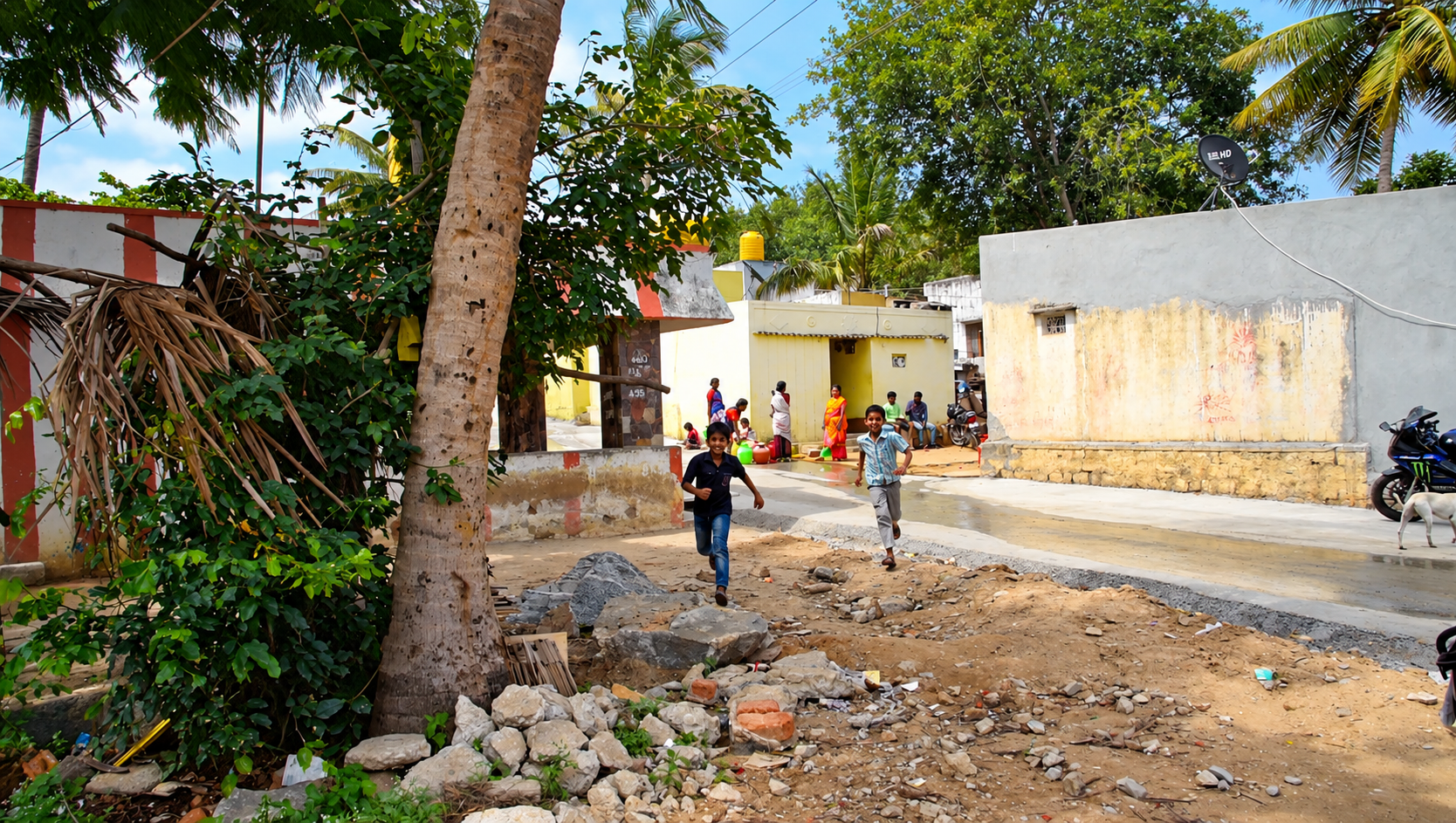
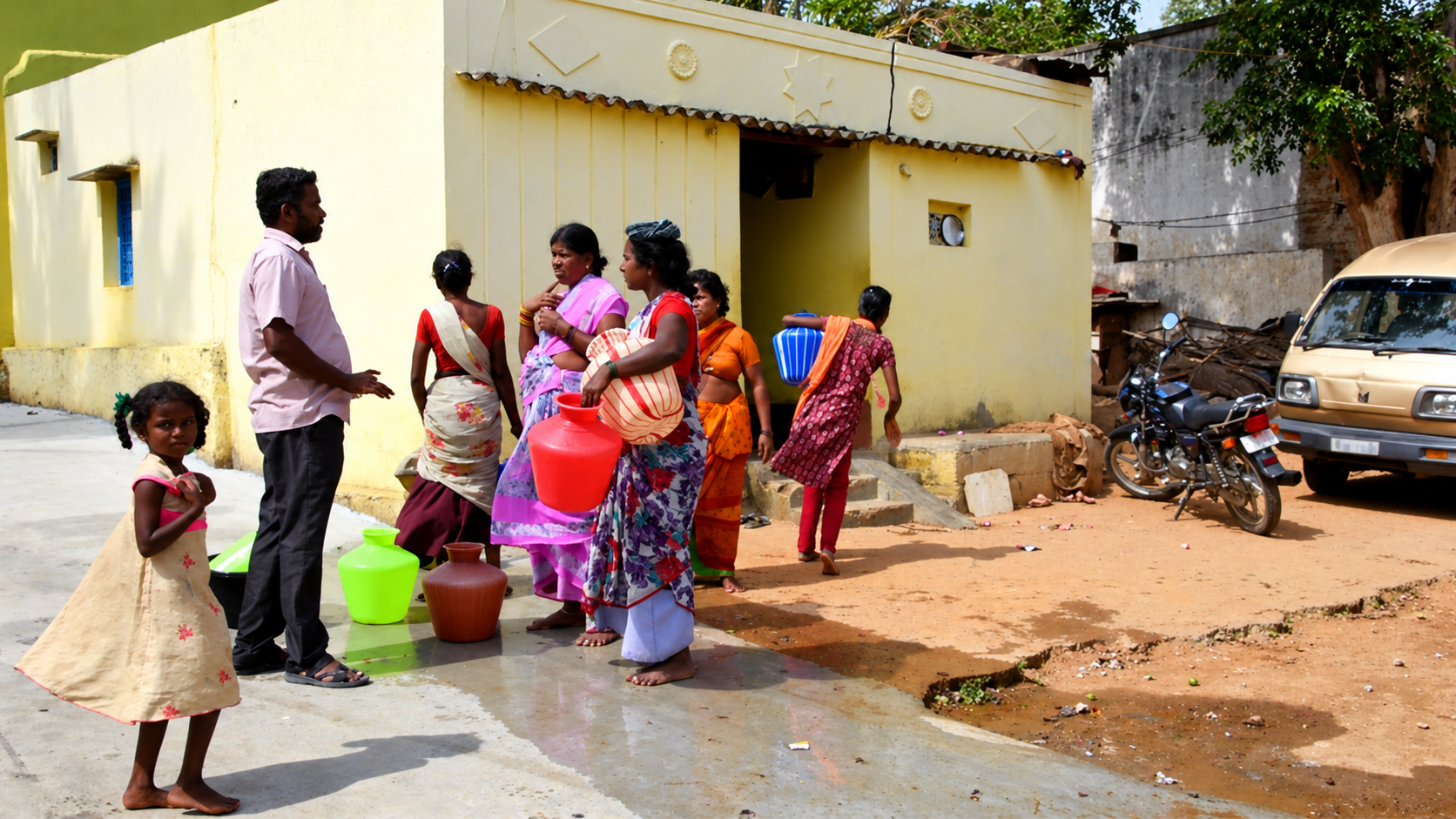
As we traveled along rough, unpaved roads, the visible signs of urban prosperity gave way to thatched huts, small shops, and neglected government schools. Children ran barefoot. Men and women worked in fields with basic tools and few resources. Older men gathered beneath banyan trees, smoking bidis, while women carried containers on their heads to fetch water or wash clothes beside canals. This was the daily reality for millions of people in rural areas.
Before bringing my dream of building a school to life, I visited several villages to understand local living conditions. After selecting a remote village as the site of Shanti Bhavan, a residential school for children from economically disadvantaged families at age four, I started by listening to those who knew village life most intimately. Conversations with rural women provided a particularly revealing window into the hardships poor families endured.
One of the first women I interviewed was not yet 20. She was married and had a three-year-old daughter, but her husband had abandoned her. She returned to her parents' home, where they pressured her to leave. When I asked whether she earned enough to care for herself and her child, she began to cry.
I don't need much money to live on. I am satisfied with one meal of ragi and curry, and I save some for the next day. What I need most is a roof over my head. Where will my child live if I die soon?
Her words affected me deeply. At such a young age, she was not imagining a better future; she was asking only for shelter.
Another conversation, this time with a woman in her seventies, revealed a different perspective on long-term deprivation. When I asked how she felt about belonging to a historically disadvantaged social group, she replied:
It doesn't bother me. It has been this way in my family for generations. What does it matter as long as I have at least one meal a day to survive?
I struggled to accept that generations of deprivation had taught her to regard indignity as inevitable and subsistence as sufficient.
Poverty Is More Than Low Income
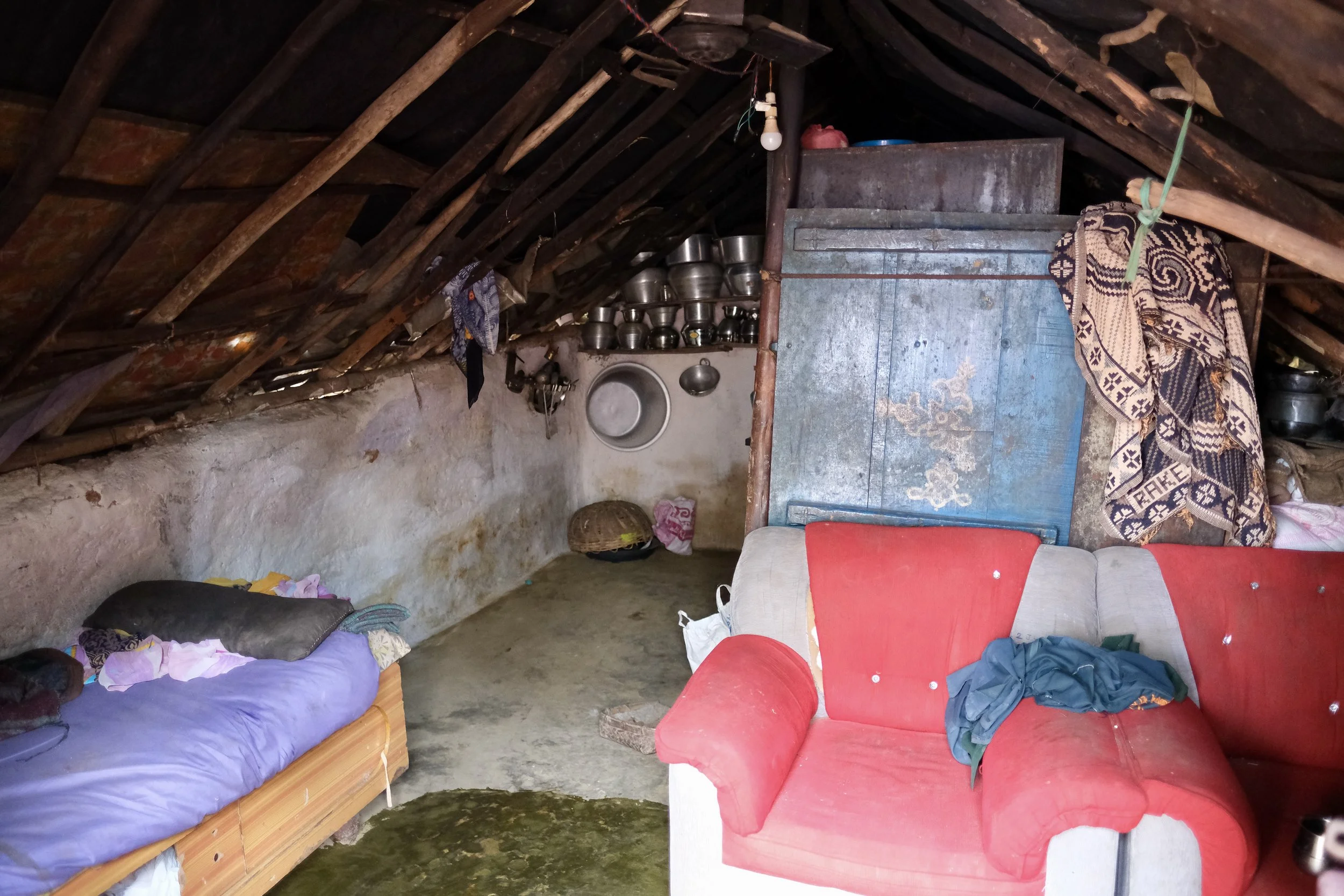
Historically marginalized rural communities often lived in segregated sections of villages without easy access to clean water. Most families were in dilapidated homes with thatched roofs, crowded into a single room that also served as the cooking area. Without toilets, they were forced to relieve themselves outdoors in unsafe and unhygienic conditions. Children attended under-resourced schools, often with one teacher responsible for two or three grade levels. At hospitals, patients might wait a day or two to see a doctor or nurse, often delaying care until their illness became severe. Inadequate diets left many people chronically unhealthy.
Illness was widespread but often untreated. Asthma and other respiratory conditions, chronic weakness and exhaustion, skin diseases, and diabetes were ignored as minor ailments. Clearly, lasting health improvements require more than clinics; families need practical knowledge about hygiene, functioning sewage and drainage systems, properly ventilated kitchens, and screened windows that prevent mosquitoes and other insects from entering.
When I met panchayat officials and local landowners, they spoke about better roads, stronger primary schools, more frequent bus service to cities, and healthcare facilities closer to villages. These were important priorities and essential long-term responsibilities of the government. But they did not address the conditions within people's homes or the social structures that perpetuated deprivation. Until then, I had understood poverty in the abstract, but witnessing how families survived from one day to the next was profoundly humbling.
People of lower castes in the villages I visited lacked social acceptance within the community and were denied several simple privileges, such as fetching water from the common well during certain hours, by local decision-makers. Government interventions, including employment programs, might offer relief, but they do not permanently change the social status quo. Food relief can ease immediate suffering, but without structural reform, education, and opportunity, it rarely transforms economic prospects or social standing.
Income Alone Does Not Create a Dignified Life
Quality of life cannot be measured solely by income or daily food consumption. People living in entrenched poverty often ask for very little because insecurity has narrowed the range of futures they can reasonably expect. They surely know what it is to live a comfortable life, but in their present state, survival becomes the overriding priority.
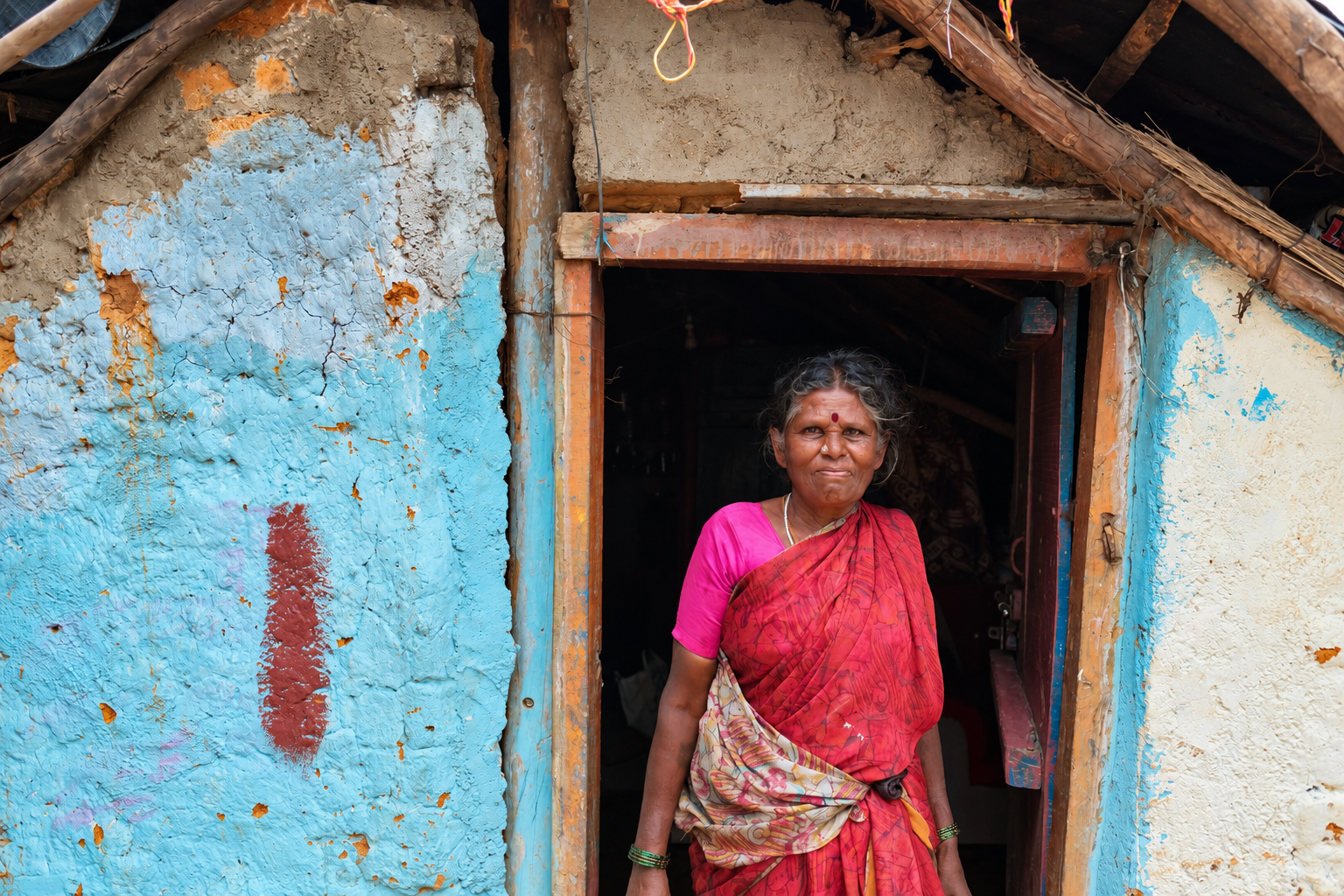
For many households, income covers little more than food and immediate necessities. Nothing remains to repair a leaking roof, improve sanitation, purchase basic household utensils, or create safer living conditions. Anything beyond subsistence becomes a luxury families cannot afford; prolonged insecurity restricts people's choices and expectations. Crossing an income threshold does not necessarily give a family safety, health, dignity, or opportunity.
India's stark income and wealth disparities underscore the urgency. Oxfam India's 2023 report titled "Survival of the Richest: The India Story" highlights that over 40.5% of wealth is concentrated among the top 1 percent of the population. The 2024 World Inequality Lab Report titled “Income and Wealth Inequality in India: 1922-2023” finds that the bottom half of the nation’s population receives about 15% of national income, and lives on less than Rs. 200,000 per year per family—about Rs. 500-600 per day (around $5-6 per day at the current exchange rate). Whatever the precise figures in a given year, the central reality is clear: income near a minimum threshold cannot protect families from the consequences of poor living conditions.
Even after decades of rapid economic growth, millions of families are in difficult conditions, while the benefits of progress remain concentrated among society's more prosperous segments. A family may move slightly above an official poverty threshold, yet continue to live a substandard life. A modest income increase does not automatically produce dignity, security, or opportunity. Livable homes, nutritious food, clean water, sanitation, accessible healthcare, and meaningful employment are not optional benefits; they are foundations of human well-being.
Government programs generally seek to raise the living standards of people in poverty through employment, income generation, and other measurable outcomes. These efforts matter, but they are insufficient. Rising income alone is not an adequate measure of poverty reduction; progress must be evaluated through basic living conditions and access to opportunity.
When income remains too low to secure the essentials, public institutions and civil society organizations must help improve the quality of life while building pathways to lasting economic independence.
A Practical Model: Shanti Bhavan and Neighboring Villages
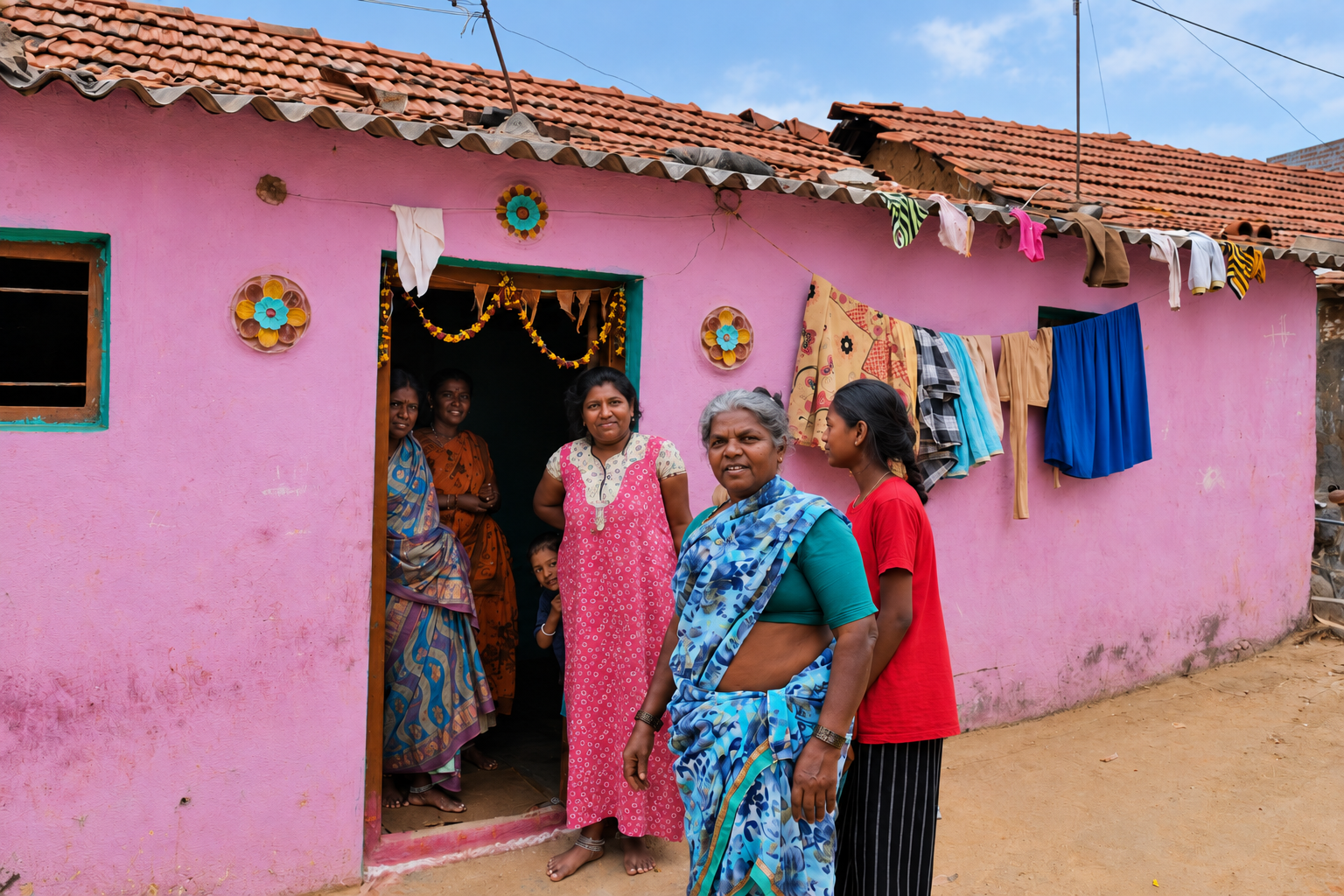
When I founded Shanti Bhavan in Balliganapalli in Tamil Nadu in 1997, I wanted to transform not only the lives of the children enrolled in the school, but also those of poor families in the surrounding villages. With that in mind, for more than two decades, we have operated a clinic, supported children's education in local schools, and helped low-income households meet essential needs.
In recent years, we have been repairing existing homes and building new 400-square-foot houses with a separate kitchen, a proper bathroom, and access to clean water. These modest features can make an extraordinary difference to a family's safety, health, privacy, and dignity.
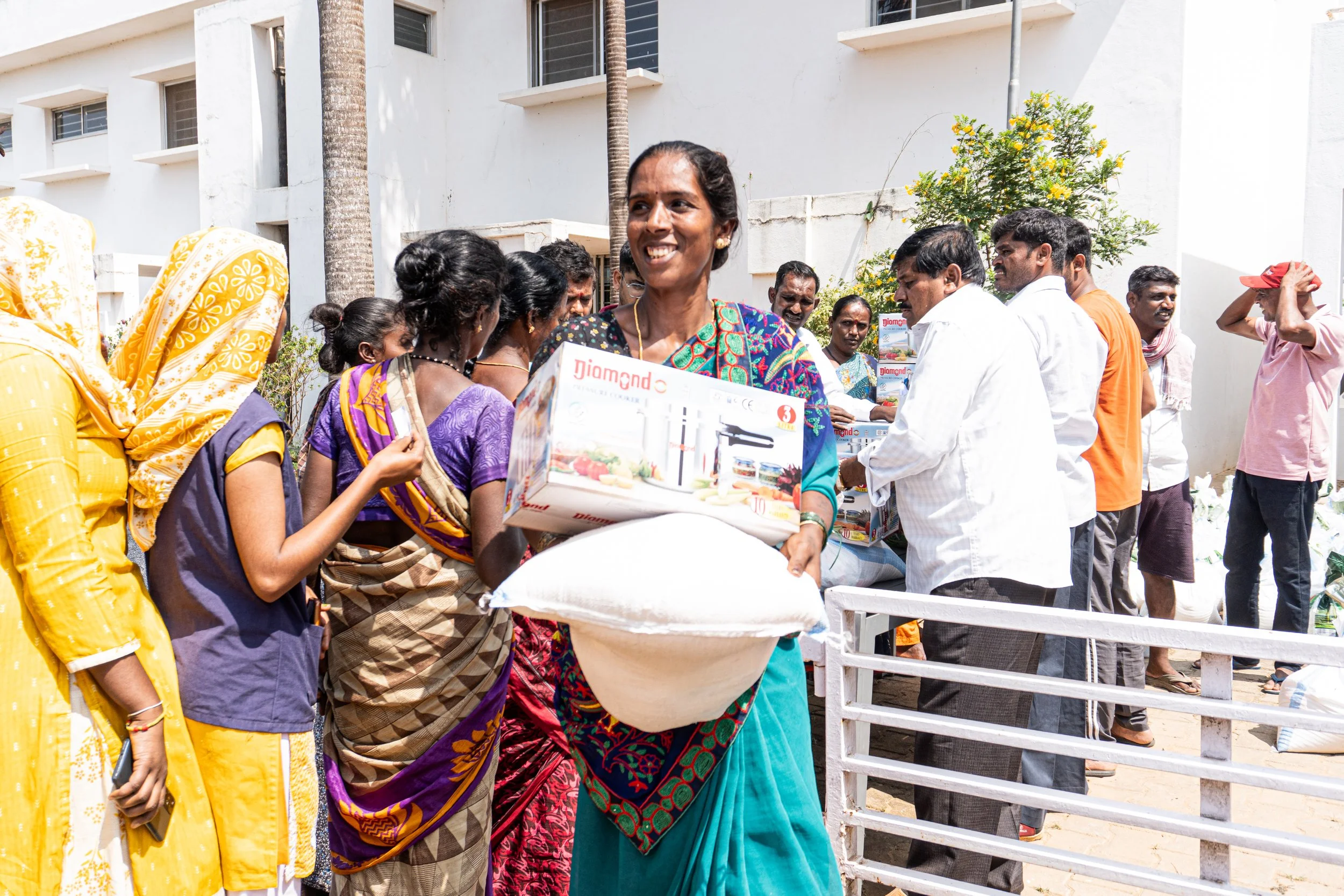
Our support since the outbreak of COVID-19 has included nutritious food rations; cooking and eating utensils such as pots, plates, tumblers, and pressure cookers; mats, pillows, and sheets for more comfortable sleep; and recurring supplies of rice, dal, spices, oil, and soap. Over the past seven years, these interventions have reached approximately 1,200 highly disadvantaged families—nearly 5,000 people across 13 villages. This kind of practical assistance has substantially improved daily life.
Education is the Path to Lasting Change
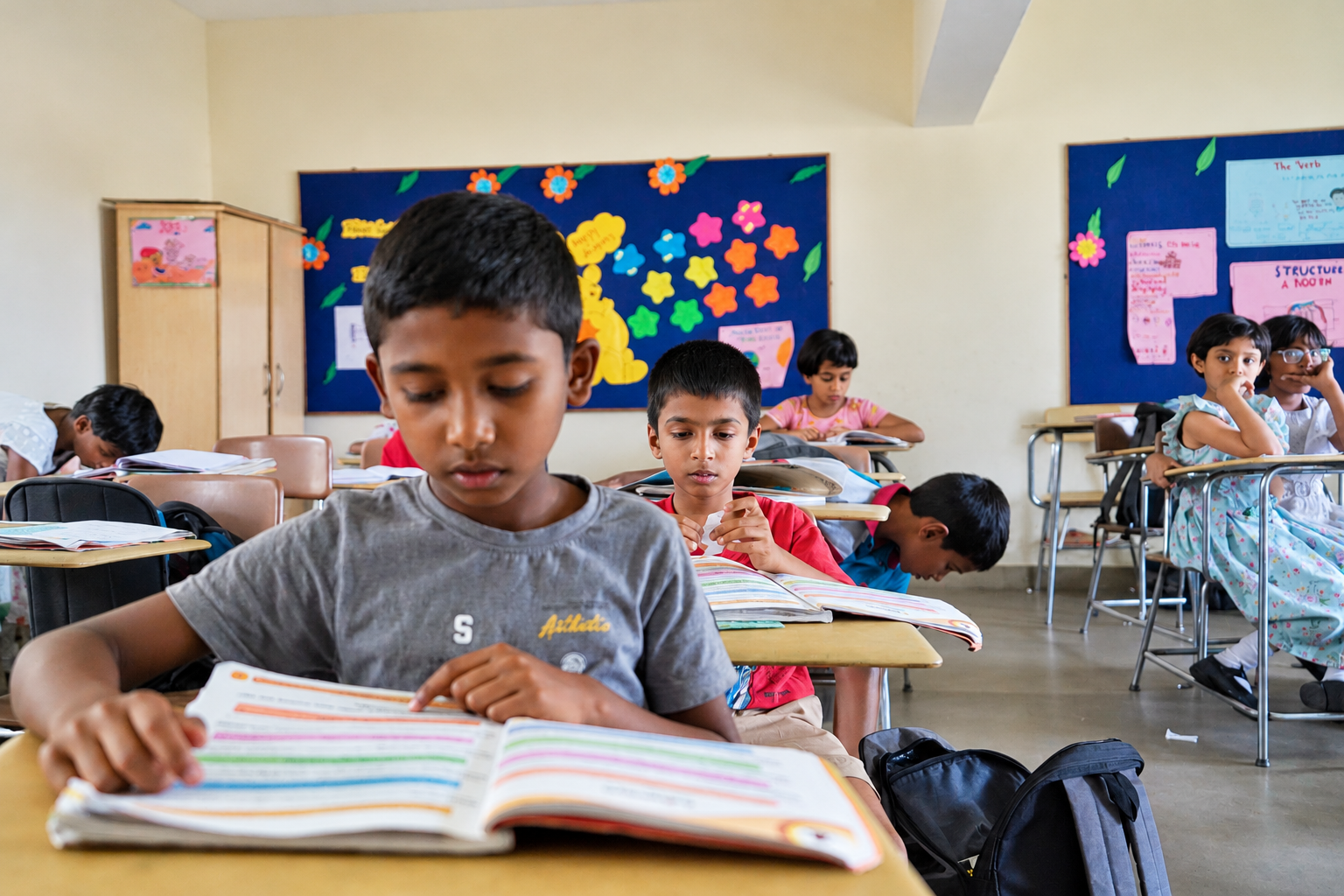
While these initiatives can provide meaningful relief and improve living conditions in the near term, they are not a permanent solution to intergenerational poverty. The most significant and durable progress will occur when young people from poor families receive a strong school and college education that prepares them for stable, skilled, and meaningful work. Education expands aspiration, earning potential, social mobility, and the capacity to make informed decisions about health, family, and community life.
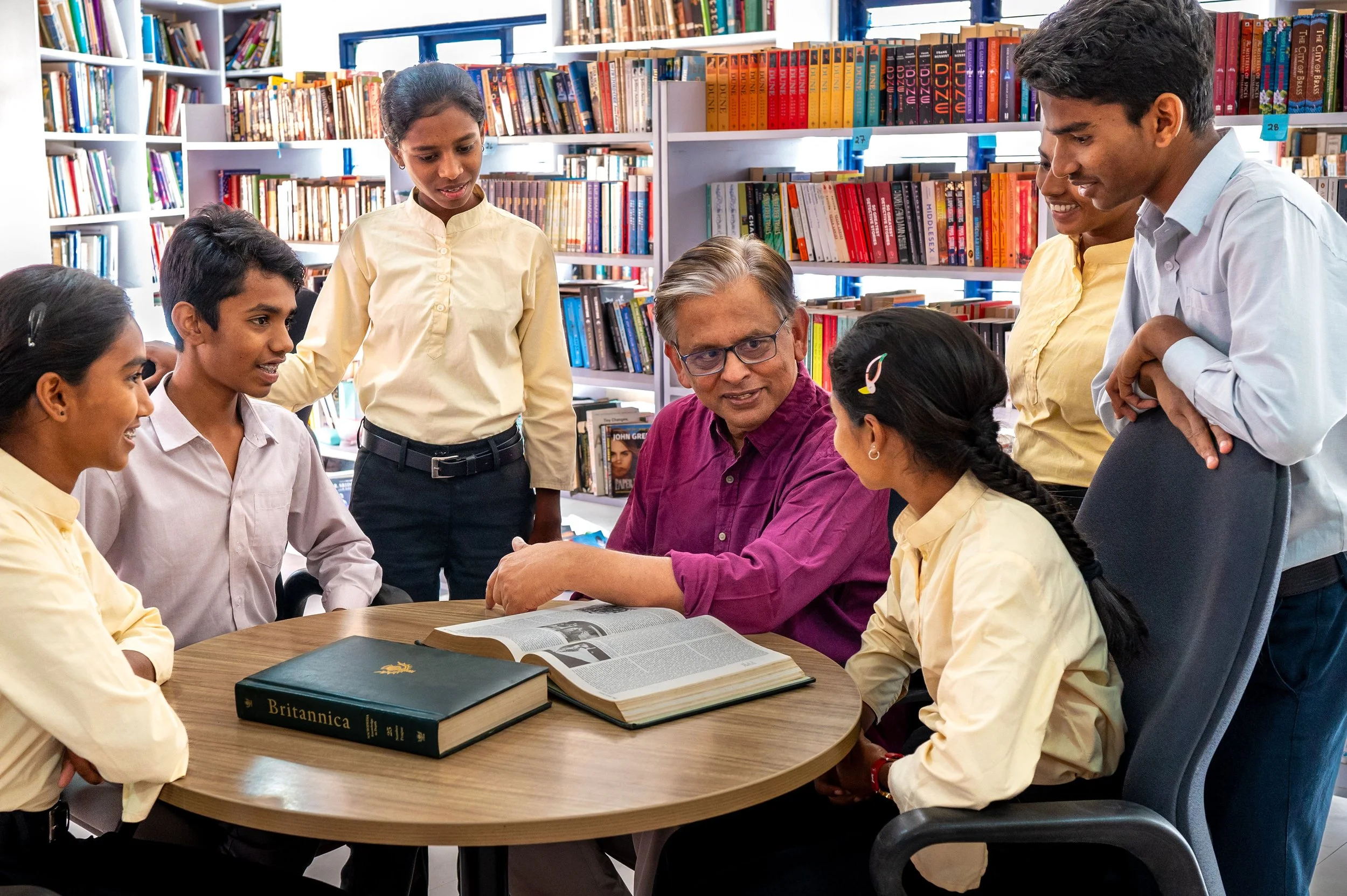
Until high-quality education is accessible to all, many poor families will be unable to reach a dignified life. Shanti Bhavan seeks to create that transformation for the children in its care and, through them, for their families and communities. However, the need far exceeds what one foundation can meet.
Call to Action for Broader Measures of Progress
Economic growth and income generation are necessary, but not sufficient measures of progress. A society succeeds when people can live in safe homes, eat nutritious food, obtain timely healthcare, educate their children, and participate in community life with dignity. An integrated approach aimed at improving the quality of life is needed.
For those trapped in deep poverty, waiting for income growth alone to deliver these conditions can mean waiting another generation, and the cycle continues. A more humane and effective course is to improve living conditions permanently by investing in education and career opportunities. Raising minimum incomes may help people survive; improving the quality of life enables them to live with dignity and hope.