
From the battlefields of the Himalayas to the boardrooms of Wall Street, Dr. Abraham M. George built a different kind of legacy: one defined not by wealth accumulated, but by lives transformed through education, opportunity, and social change.
A Life Built in Service of Others
Philanthropist
✳︎
Social Entrepreneur
✳︎
Educator
✳︎
Author
✳︎
Founder
✳︎
Philanthropist ✳︎ Social Entrepreneur ✳︎ Educator ✳︎ Author ✳︎ Founder ✳︎
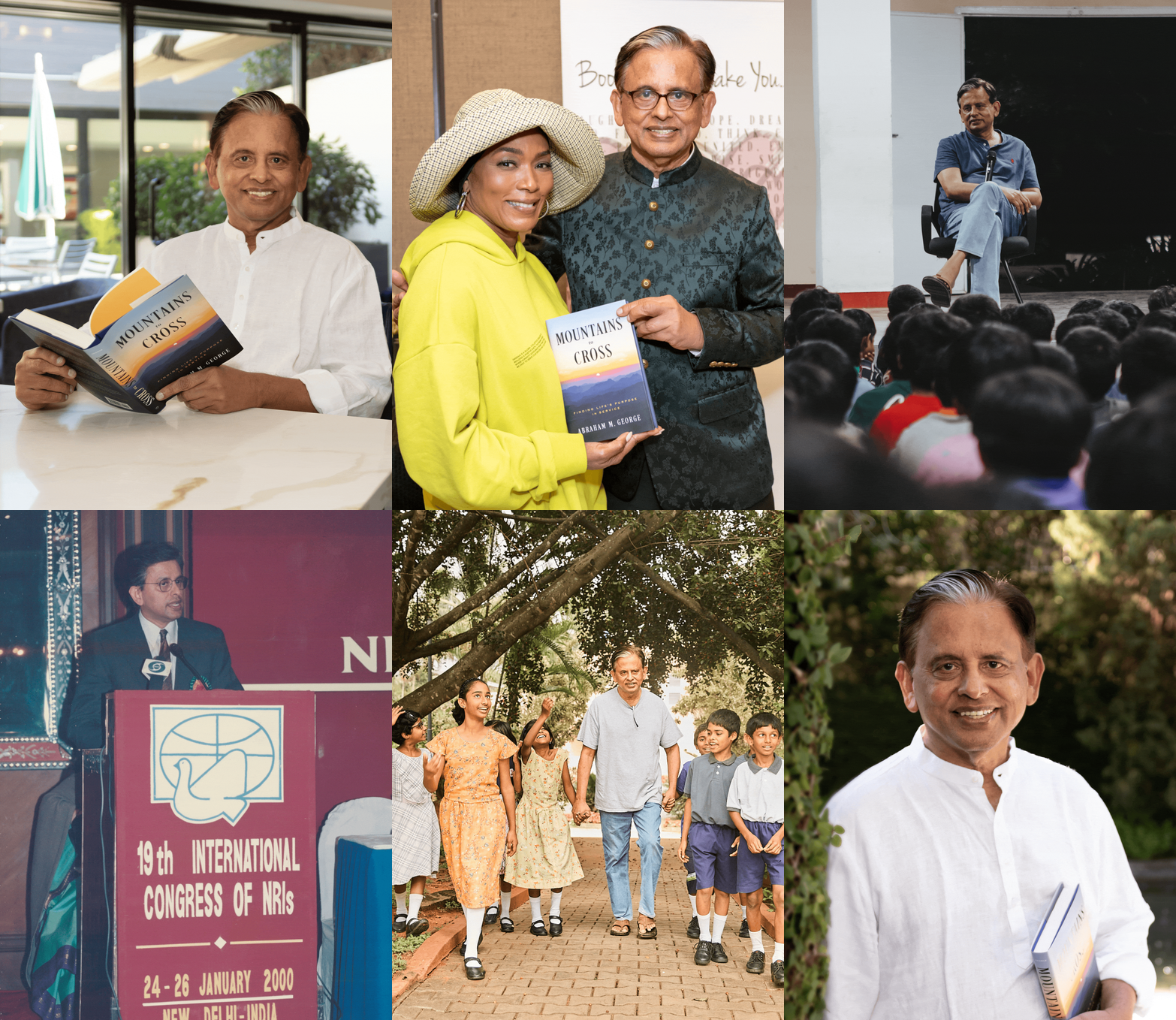
His recent book, Mountains to Cross: Finding Life’s Purpose in Service, chronicles his extraordinary journey and reflects his enduring quest to create meaningful, transformational change in society. He has authored six books—three in International Finance, and three on social service.
Dr. George supports a wide range of initiatives focused on poverty alleviation, education, healthcare, and women’s empowerment. These include community development projects in housing and vocational training, access to safe drinking water, and entrepreneurship programs that provide sustainable livelihoods for women through agricultural initiatives. The Baldev Medical & Community Center, another of his key initiatives, serves over 16,000 people across 17 villages.
His contributions to environmental health were instrumental in India’s nationwide removal of lead from gasoline in April 2000 and the establishment of the National Referral Center for Lead Poisoning. A strong advocate for democratic values and independent media, he also founded the Indian Institute of Journalism & New Media in Bangalore, where he served as President.
Dr. George has been on the boards of several prestigious organizations, including the Human Rights Watch, the International Center for Journalists, and the Christian Medical College in Vellore. His work has earned him numerous accolades, including the Hind Rattan award, presented by the late Prime Minister of India, I. K. Gujral.
After completing his training at the National Defence Academy (NDA) and the Indian Military Academy (IMA), Dr. Abraham George began his career in the Indian army as an artillery officer. He was stationed at the Se La mountain pass in the Himalayas along the India–China border—then the highest active battleground anywhere.
Following an injury sustained during active duty, he moved to the United States in 1968 to pursue higher education at New York University’s Stern School of Business, where he earned both master’s and doctoral degrees. Over the next 25 years, he pursued a distinguished entrepreneurial career spanning the technology and international finance sectors. He also served as a Managing Director at Credit Suisse First Boston and founded Multinational Computer Models, Inc. (MCM), a firm that developed advanced systems enabling multinational corporations to effectively manage international financial risks.
In 1995, Dr. George returned to India, driven by a deep commitment to address poverty and inequality he had witnessed in his early life. He established a non-profit organization in Bangalore and dedicated himself to improving the lives of economically disadvantaged communities. He founded Shanti Bhavan, a pioneering educational institution rooted in his belief that education is the most powerful tool for breaking the cycle of poverty.
"The measure of a life is not what you accumulate. It's what you change."
A Long-Term Approach to Change
Depth creates lasting scale
Dr. George measures impact not only by the number of people reached, but by the depth and durability of the change. When one child receives sustained investment rather than temporary intervention, they can break the cycle of poverty and create benefits that extend to their parents, siblings, communities, and future generations.
Education must develop character as well as intellect
Academic achievement should be accompanied by integrity, empathy, responsibility, and a commitment to serving others.
Opportunity should lead to independence
The purpose of education is not simply graduation, but the ability to build a secure future, make meaningful choices, and participate fully in society.
Compassion in action
Compassion matters most when it moves beyond intention and becomes disciplined, practical work that addresses real needs and creates lasting change.
15,000+
Lives directly impacted
1997
Established Shanti Bhavan
4
Major Social Institutions Built
7+
National & International Awards
The Work
Dr. George didn't just write about change. He built it one institution at a time.
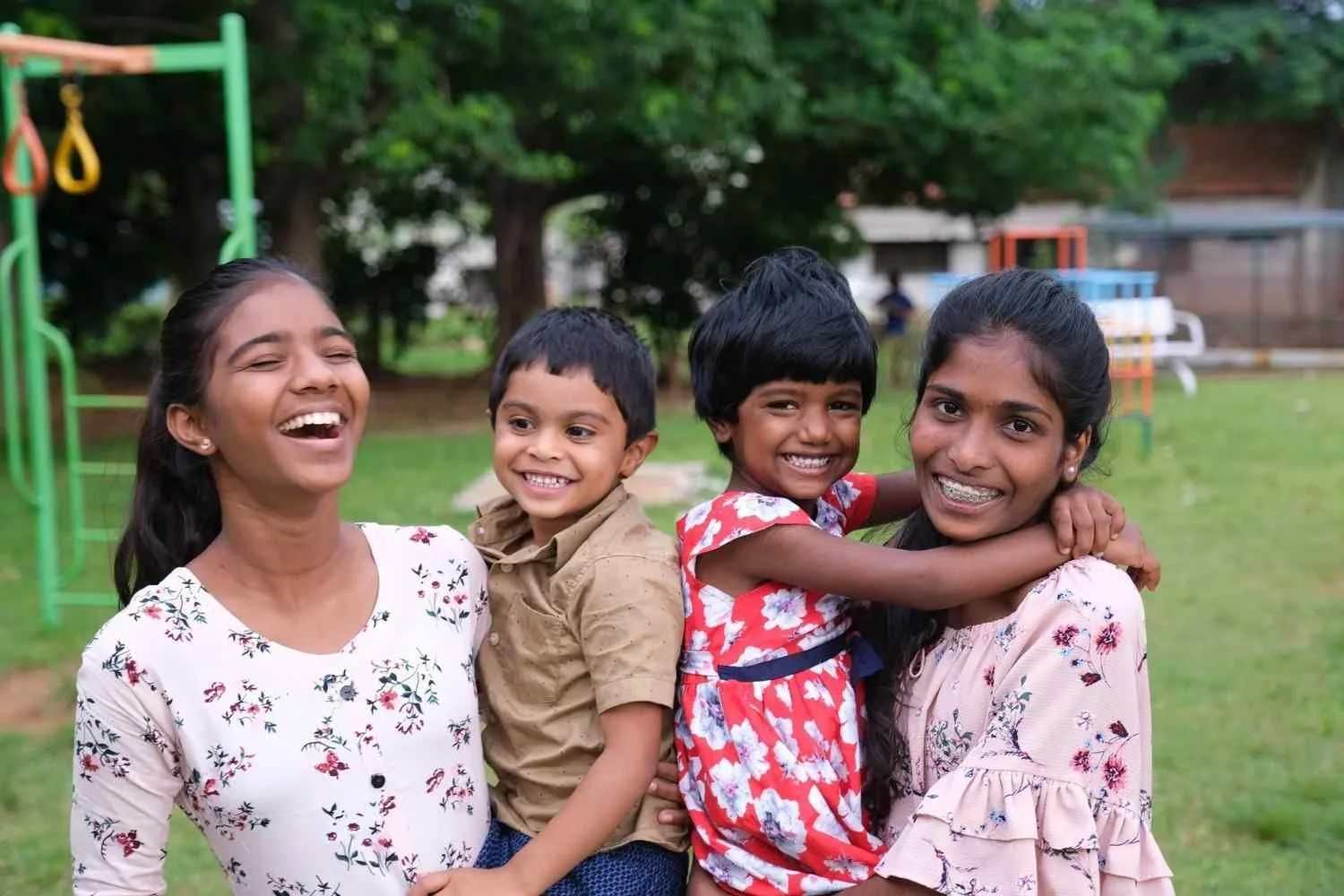
"What if every child, regardless of caste, deserved a real future?”
In 1997, Shanti Bhavan welcomed 48 preschoolers from India's lowest caste. Today, over 15,000 lives have been positively affected through the school's model — breaking cycles of poverty through education, one child at a time.
Shanti Bhavan Children's Project
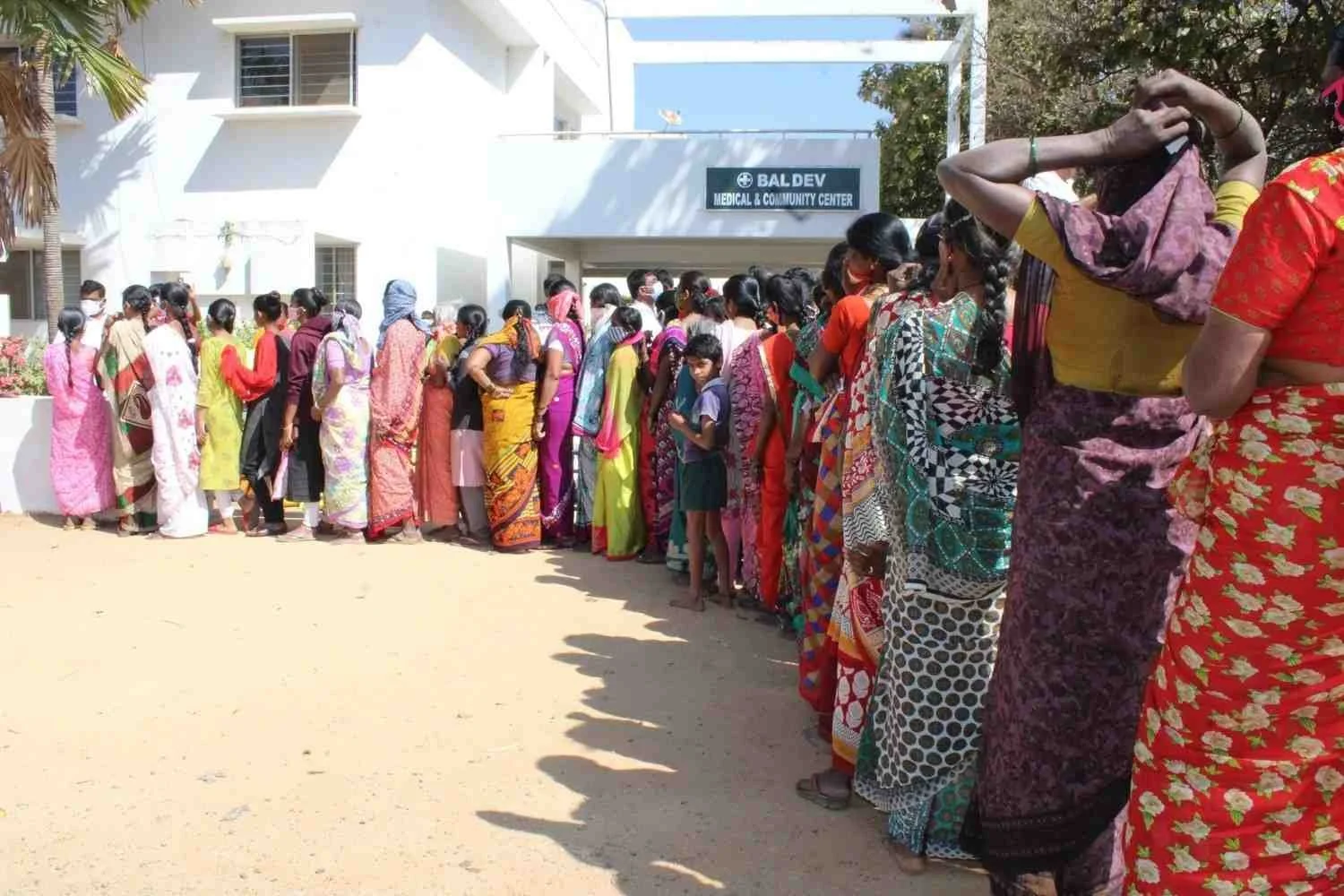
"Healthcare isn't a privilege. For fifteen villages, Dr. George made it a reality."
Inaugurated in 2000 in the Krishnagiri district of Tamil Nadu, the Baldev Center provides primary healthcare, emergency care, and community services — including critical support during COVID-19.
Baldev Medical & Community Center
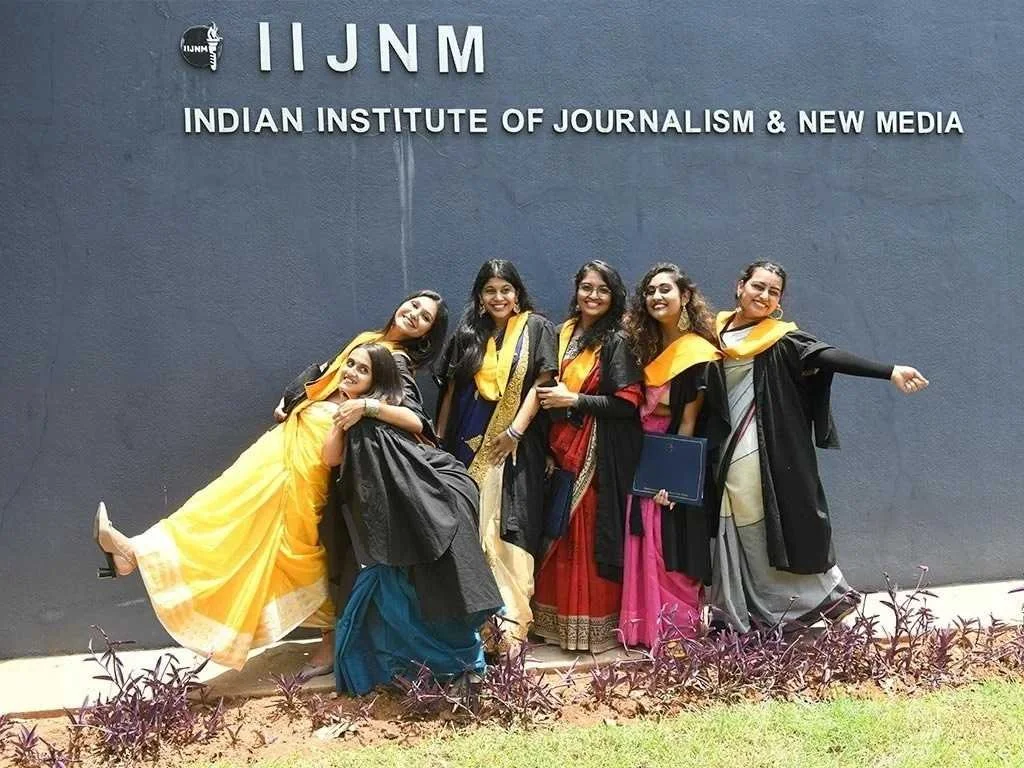
"A free press requires a trained one. He built the institution to prove it."
Established in 2000 in association with Columbia University's Graduate School of Journalism, IIJNM is now among South Asia's top postgraduate schools of journalism and media.
Indian Institute of Journalism & New Media
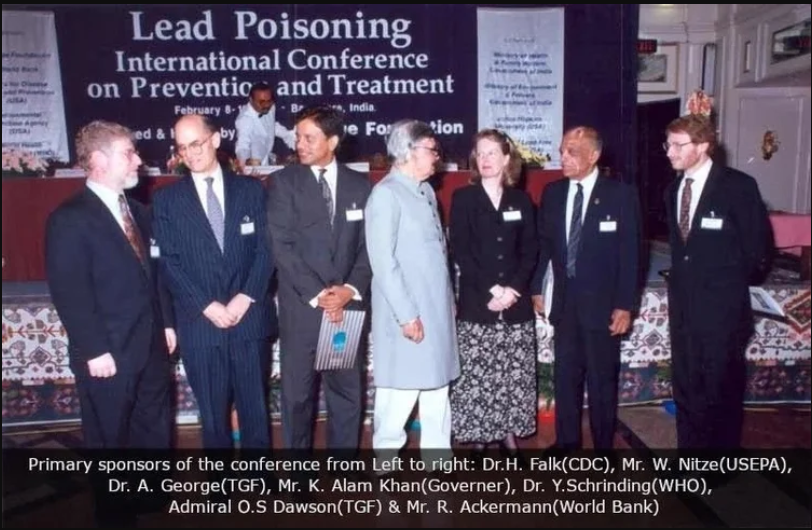
"An entire country's public health changed because one man refused to look away."
Launched in 1997, Project Lead-Free conducted the largest lead-poisoning screening of its kind in the world — directly contributing to the removal of lead from gasoline across India in April 2000.
Project Lead-Free
From Then to Now
Before the schools, the hospitals, the awards, and the book, there was a boy from India with an extraordinary sense of what was right, and what was possible. This is his story, in his own pictures.
Told In His Words

The Book: Mountains to Cross


In his memoir, Dr. George tells the story he's lived: the climb from a small village in India to Wall Street, and the choice to walk away from it all in service of something larger.
Mountains to Cross is not just a biography. It's a meditation on purpose, sacrifice, and what it means to build a life that actually matters.
Awards & Recognitions
-
The Hind Rattan is one of the highest Indian diasporic awards granted annually to nonresident persons of Indian origin (NRIs) by the NRI Welfare Society of India. Dr. Abraham George received the award in 1997 for his work on Project Lead Free.
-
The Stewart Satter Social Entrepreneurship Award is given annually in recognition of those within the Stern community to those who further social venture creation and education initiatives. Dr. Abraham George received this award in 2007.
-
The American India Foundation awards the Spirit of India award to those outstanding in the area of social service to India. Dr. Abraham George received the Spirit of India Award in 2002.
-
The Millennium Awards honor those who most exemplify leadership and service to the Indian community. Dr. Abraham George received the Millennium Award for his efforts in 2007.
-
The Global Organization of People of Indian Origin (GOPIO) annually recognizes individuals who have excelled in serving the Indian community. Dr. Abraham George received their Community Service Award in 2017.
-
Dr. Abraham George received the Kerala Cultural Center's Lifetime Achievement Award in 2010 for his work in poverty alleviation.
-
The Global Organization of People of Indian Origin presented Dr. George with this award in March, 2025.
Frequently Asked Questions About Dr. Abraham George
-
Abraham George is an Indian American philanthropist, entrepreneur, and the founder of Shanti Bhavan, a nonprofit residential school in India that provides long-term education to children from disadvantaged backgrounds. He is known for his structured approach to social impact, focusing on creating lasting economic opportunities through education.
-
Abraham George is best known for founding Shanti Bhavan, an educational institution designed to break the cycle of poverty by supporting students from early childhood through college and into their careers. His work emphasizes long-term investment in individuals rather than short-term charitable solutions.
-
Shanti Bhavan is a nonprofit residential school in India founded by Abraham George in 1997. It provides full scholarships, housing, and support to children from underserved communities, guiding them through their education and into professional careers with a focus on long-term success.
-
Abraham George was born in Kerala, India, and later moved to the United States for higher education and his professional career. He eventually returned to India to focus on philanthropic work and social impact initiatives.
-
Before transitioning into philanthropy, Abraham George built a successful career in finance and technology. He founded a financial software company focused on global risk management, which was later acquired by a major financial technology firm.
-
Abraham George’s approach to philanthropy focuses on long-term, structured solutions that create lasting change. His work emphasizes education, accountability, and measurable outcomes, with the goal of helping individuals achieve sustainable economic independence.